
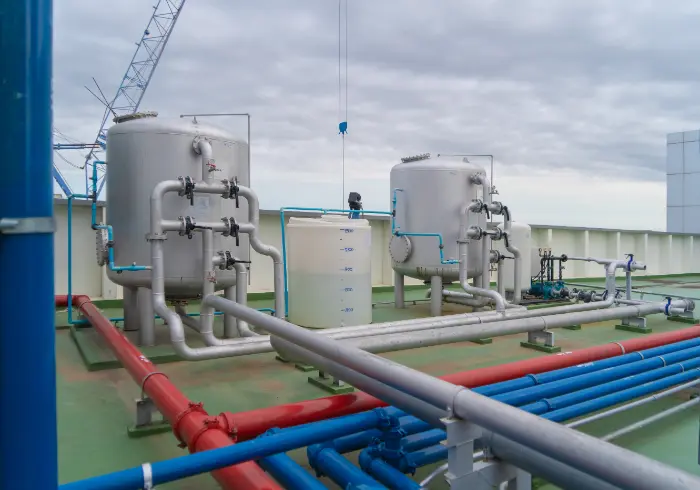
Quick Facts About Sewerage Treatment Plants in Malaysia
- Treats Wastewater Efficiently – STPs clean wastewater from homes, commercial buildings, and industries, removing harmful solids and bacteria before safe discharge.
- Supports Environmental Compliance – Helps buildings and factories meet Malaysia’s environmental standards, ensuring rivers and drainage systems are not polluted.
- Uses Biological and Chemical Processes – Combines microorganisms and chemicals like chlorine, alum, and polymers to remove organic waste and disinfect water.
- Promotes Sustainable Water Management – Treated water can be reused for irrigation, landscaping, or industrial purposes, reducing overall water wastage.
- Requires Professional Maintenance – Regular inspection and servicing by a sewage treatment plant contractor in Malaysia ensures optimal performance and prevents system failures.
Managing wastewater properly is essential for protecting the environment and maintaining public health. In Malaysia, sewerage treatment plants (STPs) are used to treat wastewater generated from residential areas, commercial buildings, and industrial facilities. These systems ensure that contaminated water is cleaned before being released back into rivers or drainage systems.
In this blog, we will explore what a sewerage treatment plant (STP) is, how the sewage treatment process works in Malaysia, the chemicals used in STP plants, and why regular STP maintenance is necessary. We will also highlight the role of a sewage treatment plant contractor in Malaysia and how professional services help maintain reliable wastewater treatment systems.
Understanding a Sewerage Treatment Plant (STP)
A sewerage treatment plant (STP) is a facility that treats wastewater by removing contaminants such as solid waste, harmful bacteria, and chemical pollutants. Wastewater is produced from daily activities like cooking, bathing, washing, and industrial operations. Without treatment, this water can pollute the environment and create serious health risks.
Across Malaysia, many residential apartments, factories, shopping malls, and office complexes rely on sewage treatment systems to manage wastewater responsibly. These wastewater treatment plants in Malaysia follow strict environmental guidelines to ensure that treated water is safe for discharge.
The main goal of an STP is to:
- Remove harmful pollutants from wastewater
- Protect rivers and surrounding ecosystems
- Improve sanitation and public health
- Support sustainable water management practices
Because these systems are complex, property owners usually hire an experienced sewage treatment plant contractor in Malaysia to handle installation, monitoring, and maintenance.
Why Sewerage Treatment Plants Are Important in Malaysia
With Malaysia experiencing continuous urban growth, proper wastewater management has become increasingly important. Rapid development in cities and industrial zones produces large volumes of wastewater every day.
Here are some key reasons why sewerage treatment plants in Malaysia are essential:
Environmental Protection
Untreated sewage can contaminate water bodies and harm aquatic life. A properly functioning wastewater treatment plant removes pollutants before the water is released into the environment.
Compliance With Environmental Regulations
Malaysia has strict environmental laws that regulate wastewater discharge. Regular STP operation and maintenance helps businesses comply with these regulations and avoid penalties.
Public Health and Sanitation
Wastewater contains bacteria, viruses, and organic waste that can spread diseases. Sewage treatment systems eliminate these harmful microorganisms and improve sanitation.
Sustainable Urban Development
Efficient industrial wastewater treatment in Malaysia supports sustainable development by reducing pollution and improving water resource management.
For these reasons, many property owners partner with professional sewage treatment plant contractors in Malaysia to ensure their systems operate effectively.
How Does a Sewerage Treatment Plant Work?
A sewerage treatment plant (STP) treats wastewater through a series of stages designed to remove solid waste, organic materials, and harmful bacteria. Each stage of the sewage treatment process plays an important role in improving water quality.
Let’s explore how the system works in a simple, step-by-step manner:
1. Screening and Preliminary Treatment
When wastewater enters the treatment plant, it first passes through screens that remove large debris. These materials may include plastic items, paper waste, cloth, and other solid objects.
Removing large waste materials helps prevent damage to pumps, pipes, and other treatment equipment used later in the process.
2. Primary Treatment Stage
After screening, the wastewater flows into sedimentation tanks. In these tanks, heavier particles sink to the bottom and form sludge, while lighter materials float on the surface.
The sludge collected during this stage is removed and sent for further processing or disposal. This step helps reduce the amount of suspended solids in the wastewater.
3. Biological Treatment Process
The biological treatment stage is one of the most important parts of a sewerage treatment plant (STP).
In this stage, beneficial microorganisms break down organic waste present in the water. Aeration systems are used to supply oxygen, which helps the bacteria grow and digest pollutants.
Common biological treatment systems include:
- Activated sludge process
- Aeration tanks
- Biofilter systems
These technologies are widely used in wastewater treatment plants in Malaysia to improve treatment efficiency and remove organic contaminants.
4. Chemical Treatment and Disinfection
After biological treatment, chemical treatment may be used to remove remaining impurities and disinfect the water.
Some commonly used chemicals used in STP plants include:
- Chlorine – Used to disinfect water and eliminate harmful microorganisms
- Aluminium sulphate (alum) – Helps remove fine suspended particles
- Polymer coagulants – Improve sludge settling and separation
- Lime – Adjusts pH levels in wastewater
These chemicals play an important role in ensuring that treated water meets environmental standards.
5. Final Treatment and Water Release
In the final stage, the treated water undergoes quality testing. If the water meets the required standards, it is safely discharged into nearby rivers, drains, or water bodies.
Some modern wastewater treatment systems in Malaysia also allow treated water to be reused for landscaping or industrial purposes.
Role of a Sewage Treatment Plant Contractor in Malaysia
Running a sewage treatment system requires specialised knowledge and continuous monitoring. This is why many building owners rely on professional sewage treatment plant contractors in Malaysia.
These contractors provide services such as:
- STP system design and installation
- Routine inspection and monitoring
- Sludge management and removal
- Chemical dosing control
- Equipment repair and troubleshooting
Professional contractors help ensure the system operates efficiently while meeting environmental requirements.
If you are looking for reliable STP maintenance Malaysia services, you can learn more about professional solutions here:
http://seweragecontractor.com/sewerage-treatment-plant-stp-maintenance/
Why Regular STP Maintenance Is Important
Regular STP maintenance is crucial for ensuring that wastewater treatment systems operate smoothly. Without proper maintenance, treatment efficiency may decrease and environmental risks may increase.
Routine maintenance helps to:
- Prevent system failures
- Improve treatment performance
- Reduce unpleasant odours
- Maintain regulatory compliance
- Extend equipment lifespan
Many businesses choose scheduled sewage treatment plant services in Malaysia to maintain consistent system performance.
Common Problems Faced by Sewerage Treatment Plants
Although STPs are designed to operate efficiently, certain issues may occur if the system is not properly maintained.
Some common challenges include:
Sludge Build-Up
Excess sludge accumulation can reduce the efficiency of the treatment process.
Mechanical Equipment Issues
Components such as pumps, blowers, and aerators require regular servicing.
Improper Chemical Usage
Incorrect use of chemicals used in STP plants can affect treatment quality.
Blockages in the System
Solid waste entering the system may cause pipe or pump blockages.
Regular inspection and professional STP operation and maintenance can help prevent these problems.
Conclusion
A sewerage treatment plant (STP) plays a vital role in Malaysia’s wastewater management system. By treating sewage and removing harmful pollutants, STPs help protect the environment, improve sanitation, and support sustainable development. Understanding how the sewage treatment process works, the chemicals used in STP plants, and the importance of regular maintenance can help property owners ensure their wastewater systems remain efficient.
Ensure your sewerage treatment plant operates efficiently by scheduling regular inspections today – Contact Now.
FAQs
1. What is the main function of a sewerage treatment plant in Malaysia?
A sewerage treatment plant (STP) treats wastewater to remove solids, organic matter, and harmful microorganisms. It ensures treated water is safe before release into the environment. Regular maintenance improves system efficiency and environmental safety.
2. How does an STP treat wastewater in Malaysia?
STPs treat wastewater through multiple stages: preliminary screening, primary sedimentation, secondary biological treatment, and chemical disinfection. Each stage targets different contaminants to ensure clean water output.
3. What chemicals are used in STP plants?
Common chemicals include chlorine for disinfection, alum to remove suspended solids, polymer coagulants to enhance sludge settling, and lime to adjust pH. Correct dosing ensures safe and effective water treatment.
4. Why is regular STP maintenance important in Malaysia?
Regular STP maintenance prevents equipment failure, sludge build-up, and chemical imbalances. It ensures the sewage treatment system operates efficiently and meets environmental regulations consistently.
5. How can a sewage treatment plant contractor help?
Professional contractors handle STP installation, routine inspections, chemical dosing, and repairs. They ensure optimal wastewater treatment, regulatory compliance, and long-term system performance.
Pingback: Sewerage Treatment Plant Malaysia: Key Components | Sewerage